
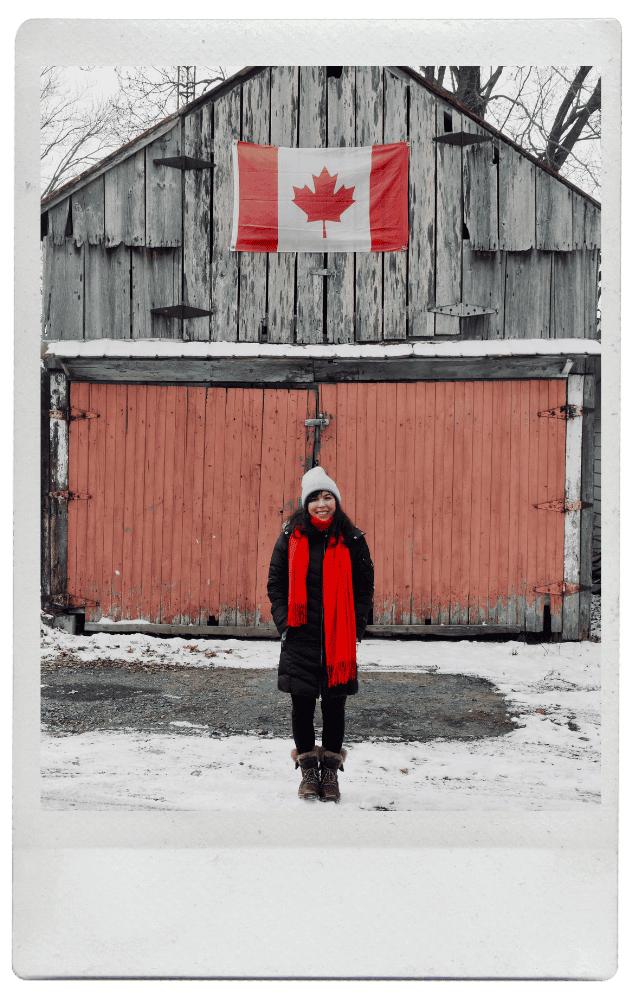
How to Dress for Canadian Winter: A First-Timer’s Guide
The first time I stepped outside in -21°C (-7°F), I thought my face was broken.
I’m not exaggerating. Growing up in Texas, the coldest I’d ever experienced was maybe 25°F on a rare January morning—and even then, schools closed and everyone acted like the apocalypse had arrived. So when I landed in Canada for my first real winter, I had absolutely no idea what I was doing.
I showed up with a cute wool coat from Target, some ankle boots, and the confidence of someone who had never experienced windchill. Reader, I nearly cried on a street corner in Ottawa within 48 hours.
But here’s the thing: Canadian winter isn’t something to fear. It’s something to prepare for. And once you figure out how to dress properly, you can actually enjoy it—skating on frozen canals, wandering through Christmas markets, watching your breath hang in the crisp air. It’s kind of magical.
This guide is everything I learned the hard way so you don’t have to.
Best Base Layers for Canadian Winter: 3 Picks That Actually Work
The Best Winter Boots for Walking (That Actually Keep You Warm)
Why Your Boots Might Be Making Your Feet Colder
The Best Socks for Winter (And Why It Matters More Than You Think)
How to Keep Your Feet Warm in Winter (What Actually Works)
How to Stay Warm Indoors During Winter (Surprisingly Important)
How to Pack for a Winter Trip Without Overpacking
The Golden Rule: Layering Is Everything
Before we get into specific items, you need to understand the layering system. This isn’t just “wear more clothes”—it’s a strategy.
Base layer: Sits against your skin. Its job is to wick moisture (sweat) away from your body. Wet skin = cold skin, even if you’re bundled up.
Mid layer: Provides insulation. This is what actually keeps you warm by trapping your body heat.
Outer layer: Protects you from wind, snow, and rain. This is your shield against the elements.
The beauty of layering is flexibility. You can peel off your mid layer if you’re warming up from walking, then add it back when you stop moving. You can unzip your outer layer if you’re overheating. You’re not stuck in one temperature setting—you can adjust.
The biggest mistake I made early on? Wearing one really thick sweater instead of multiple thinner layers. I was either freezing or sweating. Layers fix that.
Base Layer: Your Secret Weapon
This is the layer most people skip, and it’s the layer that makes the biggest difference.
A good base layer is made from merino wool or synthetic moisture-wicking fabric. It fits snugly (not tight, but close to your body) and covers your torso and legs. Think long-sleeve top and leggings that go under everything else.
What to look for:
- Merino wool (naturally temperature-regulating, odor-resistant, and doesn’t feel itchy like regular wool)
- Synthetic blends labeled “moisture-wicking” or “quick-dry”
- Lightweight, midweight, or heavyweight options depending on how cold it gets where you’re going
What to avoid:
- Cotton. I cannot stress this enough. Cotton absorbs moisture and holds it against your skin. Once cotton gets damp from sweat or snow, it stays wet and makes you colder. This is the number one mistake newcomers make.
I wear my base layers almost every day from December through February. They’re invisible under your regular clothes, and they make an unbelievable difference.
→ I’ve tested a lot of options at this point. Here are my [best base layers for Canadian winter]—with picks for different budgets.
Mid Layer: Where the Warmth Lives
Your mid layer is your insulation. This is where you have the most flexibility to adjust based on temperature and activity level.
Good mid layer options:
- Fleece jacket or pullover (lightweight, breathable, dries fast)
- Down or synthetic puffer vest (adds core warmth without bulk on your arms)
- Wool sweater (classic, warm, looks good if you need to go somewhere nice)
- Lightweight down jacket (can be worn alone on milder days or layered under your outer shell on brutal days)
On moderately cold days (around -5°C to -10°C), I might just wear a fleece over my base layer. When it drops below -15°C, I add a thin down jacket. On the coldest days, I’ve worn both.
The goal is to trap warm air close to your body without getting so bulky you can’t move.
Outer Layer: Your Armor
Your outer layer is what stands between you and the wind, snow, and freezing rain. This is where it’s worth investing in quality.
What to look for in a winter coat:
- Water-resistant or waterproof exterior
- Windproof (this matters more than you think—windchill is brutal)
- Insulated with down or synthetic fill
- Long enough to cover your hips and upper thighs (trust me, your legs will thank you)
- A hood, ideally with faux fur or a brim to block wind from your face
Parkas are popular in Canada for a reason. That longer length keeps more of your body protected, especially when you’re standing still waiting for a bus or walking into the wind.
You don’t need to spend $900 on a Canada Goose jacket (though you’ll see plenty of them). Brands like Columbia, North Face, Patagonia, and Mountain Hardwear make excellent options at various price points. I’ve also found great coats at thrift stores—Canadians donate quality winter gear all the time.
→ Not sure where to start? I put together a guide to the [best winter coats under $300] that actually hold up in Canadian cold.
If you’re on a budget, prioritize the coat over almost everything else. A good coat can compensate for weaker layers underneath. A bad coat will leave you miserable no matter what you’re wearing.
Protecting Your Extremities (This Is Where Frostbite Happens)
Your body prioritizes keeping your core warm. When it’s really cold, blood flow to your hands, feet, ears, and nose decreases to protect your vital organs. That’s why your fingers and toes get cold first—and why frostbite happens in these areas.
Head: A warm hat (Canadians call it a “toque,” pronounced “took”) is non-negotiable. You lose a significant amount of heat through your head. Look for wool or fleece, and make sure it covers your ears completely.
On the coldest days, I add a neck gaiter or balaclava to protect my face. When I first heard “balaclava,” I thought it was excessive. Then I experienced -25°C with windchill and bought one immediately.
Hands: Mittens are warmer than gloves because your fingers share heat. If you need dexterity (for your phone, for example), look for gloves with touch-screen compatible fingertips, but know they won’t be as warm.
For really cold days, I wear thin liner gloves inside insulated mittens. You can slip off the mitten to do something with your hands while the liner keeps you from losing all your heat.
Feet: Your summer sneakers will not cut it. You need insulated, waterproof boots with good traction (icy sidewalks are no joke).
Look for boots rated for cold temperatures—many brands list the temperature range on the tag. Pair them with wool or wool-blend socks (not cotton!). Some people wear two pairs of socks, but be careful—if your boots are too tight, it restricts circulation and actually makes your feet colder.
→ Boots were my biggest learning curve. I break down what actually works in my guide to the [best winter boots for walking in snow].
I also keep disposable hand warmers and toe warmers in my bag for especially cold days. They’re cheap, they last for hours, and they’ve saved me more than once.
The Details That Make a Difference
Scarves and neck warmers: A scarf or neck gaiter closes the gap between your coat and your chin. Cold air sneaking down your collar will ruin your day faster than almost anything else.
Sunglasses: Snow glare is real. On bright winter days, the sun reflecting off snow can actually hurt your eyes (and cause sunburn—yes, you can get sunburned in winter). Polarized sunglasses help.
Lip balm with SPF: The cold, dry air will destroy your lips. I keep lip balm in every coat pocket.
Indoor shoes: Canadians often bring a second pair of shoes to change into at work or social events. Winter boots are great outside, but you don’t want to wear them all day indoors. Plus, all that salt and slush will damage nicer shoes.
What to Wear for Specific Activities
Walking around the city: Base layer, mid layer fleece or sweater, winter coat, warm boots, hat, gloves, scarf. Adjust layers based on how long you’ll be outside.
Skating the Rideau Canal: Everything above, plus consider snow pants if you’re new to skating (you might fall). Hand warmers are clutch here.
Outdoor winter festivals: You’ll be standing still a lot, which means you’ll get colder faster. Add an extra mid layer or opt for your warmest coat.
Hiking or snowshoeing: You’ll be generating body heat, so you might start warm with fewer layers and add them during breaks. Bring layers in a backpack so you can adjust.
Where to Buy Winter Gear in Canada
If you arrive without proper gear (like I did), here’s where to look:
Budget-friendly: Winners, Marshalls, Walmart, Canadian Tire, thrift stores like Value Village
Mid-range: Uniqlo (their Heattech base layers are great), Columbia, Marks Work Wearhouse, Atmosphere
Investment pieces: MEC (Mountain Equipment Company), Sporting Life, North Face, Patagonia
Pro tip: Buy your winter coat in late summer or early fall when everything goes on sale. By December, the good stuff is picked over and full price.
Quick Checklist: Canadian Winter Essentials
- Moisture-wicking base layers (top and bottom) — [see my top picks]
- Fleece or wool mid layer
- Insulated, waterproof winter coat (longer is better) — [best coats under $300]
- Warm hat that covers your ears
- Insulated gloves or mittens
- Scarf or neck gaiter
- Waterproof, insulated boots with good traction — [my boot recommendations]
- Wool or wool-blend socks
- Optional: balaclava, hand/toe warmers, snow pants
Final Thoughts
Here’s what I wish someone had told me before my first Canadian winter: being cold is optional.
I know that sounds ridiculous when it’s -20°C outside. But the difference between suffering through winter and genuinely enjoying it comes down to what you’re wearing. Canadians aren’t tougher than the rest of us—they’re just better dressed.
Invest in the right gear, learn to layer, protect your extremities, and you’ll discover what I did: winter can actually be beautiful. There’s something about walking through softly falling snow, your breath visible in the cold air, knowing you’re warm and comfortable—it changes how you see the season entirely.
You’ve got this.
More winter guides:
- [Best Base Layers for Canadian Winter]
- [Best Winter Boots for Walking in Snow]
- [Best Winter Coats Under $300]
Have questions about dressing for Canadian winter? I’d love to hear from you—[shoot me an email] or find me on [Instagram/TikTok]